Why Professional Wood Staining Protects More Than Appearance
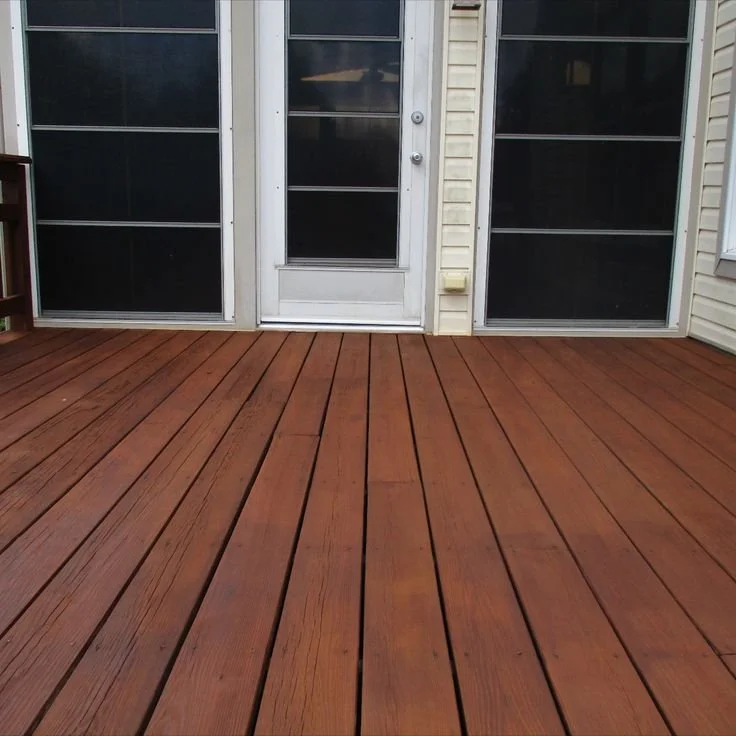
A freshly stained deck, fence, or wood siding project can completely change how an exterior space looks. Color becomes richer. Weathered boards look cleaner. The surface feels more finished. For many homeowners, appearance is the first reason they think about staining exterior wood.
But for contractors and serious wood care professionals, staining is not only about looks.
Professional wood staining is part of a larger protection system. The right process helps reduce moisture absorption, slow UV damage, improve surface durability, and extend the life of exterior wood. When the prep work is rushed or the wrong product is applied, the finish may look good temporarily but fail much sooner than expected.
A quality staining job starts long before the stain is applied.
Exterior Wood Needs Protection
Outdoor wood is constantly exposed to weather. Sun, rain, humidity, snow, leaves, pollen, mildew, and temperature changes all affect how wood performs over time.
Without protection, wood can gray, crack, cup, splinter, absorb moisture, grow mildew, and deteriorate. Horizontal surfaces, such as deck boards and stair treads, take the most abuse because they receive direct sunlight, standing moisture, foot traffic, and abrasion.
Vertical surfaces like fences, railings, siding, and log homes also need protection, even though they may weather differently.
Stain helps protect exterior wood by reducing how quickly moisture enters the surface and by adding pigment that can help defend against UV exposure. The result is not just better color. It is better resistance to the conditions that cause outdoor wood to break down.
The Finish Is Only as Good as the Prep
One of the most important parts of professional wood staining is surface preparation.
Stain should not be applied over dirt, mildew, algae, loose fibers, failing coating, or damp wood. If the surface is not properly prepared, the finish may not bond or penetrate correctly. That can lead to peeling, blotching, uneven color, early fading, or poor protection.
Depending on the project, preparation may include cleaning, stripping, sanding, brightening, neutralizing, repairing, and allowing proper dry time.
For contractors, this prep work is what separates a professional staining job from a quick cosmetic coating. The customer may notice the final color first, but the long-term performance depends heavily on what happened before the stain was applied.
Cleaning Removes More Than Dirt
Exterior wood collects more than surface dust. Decks, fences, siding, and railings can hold mildew, pollen, algae, leaf stains, and organic debris. These contaminants can affect how stain performs.
A proper cleaning process helps remove buildup and opens the surface so the wood can accept the next finish more consistently.
Contractors also need to manage cleaning carefully. Too much pressure can damage wood fibers, create wand marks, raise the grain, or make the surface rough. Too little cleaning can leave contamination behind.
Professional cleaning is not just about making the wood look brighter. It is about preparing the surface for a finish that can perform.
Stripping Failed Coatings Protects the Next Finish
Many exterior wood projects involve old stain, sealer, or coating. If the previous finish is peeling, flaking, shiny, built up, or blocking absorption, it may need to be stripped before restaining.
Applying new stain over a failed coating is one of the fastest ways to create a future callback. The new finish may look acceptable at first, but it is only as stable as the old coating underneath it.
Stripping removes problem coatings so the wood can be properly prepared for refinishing. This is especially important with solid stains, film-forming finishes, heavy sealers, and multiple layers of buildup.
Products like Deck Restoration Plus Stripper Plus are designed for tougher coating removal situations where cleaning alone is not enough. For contractors, this kind of prep step can help create a more reliable surface before staining.
Sanding Improves Surface Quality
Sanding is another important part of many professional staining projects.
Weathered wood can become rough, fuzzy, splintered, or uneven. Pressure washing, stripping, and years of exposure can also raise wood fibers. Sanding helps smooth the surface and improve the final appearance.
This matters most on high-touch and high-visibility areas such as deck floors, handrails, benches, stairs, and entry points.
Sanding can also help reduce leftover coating, even out problem areas, and improve how the stain appears after application.
A smoother, properly prepared surface does not just look better. It also helps create a more professional final result.
Product Selection Matters
Not every stain belongs on every project.
Transparent, semi-transparent, semi-solid, and solid stains all perform differently. Oil-based and water-based formulas also have different application characteristics, maintenance profiles, and appearance results.
The right stain depends on the wood species, age, exposure, previous coating, condition, desired appearance, and maintenance expectations.
A newer deck with attractive grain may be a good candidate for a more transparent finish. An older deck with uneven color or mixed repairs may need more coverage. A previously coated surface may require stripping before a new stain system can be applied.
Professional wood staining requires matching the product to the project, not simply choosing a color from a sample chart.
Moisture Control Is a Major Part of Stain Performance
Moisture is one of the biggest threats to exterior wood.
When wood absorbs water repeatedly, it can swell, crack, cup, grow mildew, and eventually rot. Stain helps reduce moisture absorption, but only when the surface is properly prepared and the finish is applied under the right conditions.
Wood that is too wet may not accept stain properly. Rain too soon after application can affect the finish. High humidity and poor drying conditions can slow the process and create performance issues.
Professional staining requires attention to weather, dry time, and surface conditions. Rushing the job can compromise the final result.
UV Protection Helps Slow Graying
Sunlight breaks down the surface of exterior wood over time. This is one reason decks, fences, and siding turn gray.
Pigmented stains help slow UV damage by adding color that shields the wood surface. Generally, stains with more pigment provide more UV protection than very clear finishes, though they also change the appearance more.
This is why opacity matters.
Transparent stains show the most wood grain but may offer less coverage against visible weathering. Semi-transparent stains balance color and grain. Semi-solid and solid stains provide more color coverage and can help older wood look more uniform.
Choosing the right opacity is part of protecting the wood while achieving the desired appearance.
Professional Application Reduces Common Failures
Many staining failures come from avoidable application problems.
Applying stain too heavily, working in direct hot sun, failing to maintain a wet edge, staining damp wood, ignoring manufacturer directions, or applying over poor prep can all create issues.
Common results include lap marks, sticky areas, uneven sheen, peeling, blotching, and early wear.
Professional application is controlled. It considers temperature, humidity, sun exposure, surface condition, product behavior, and proper coverage. That level of process control helps the finish look better and perform better.
Better Staining Can Reduce Long-Term Maintenance Problems
A well-executed staining job can make future maintenance easier.
When the wood is properly cleaned, stripped if needed, sanded, and stained with the right product, the next maintenance cycle is usually more predictable. The surface is less likely to have heavy buildup, trapped contamination, or widespread coating failure.
Poor staining work often creates harder maintenance later. Coatings may peel, build up, or require aggressive stripping before the next refinishing project.
For contractors, doing the job correctly protects both the customer’s wood and the contractor’s reputation.
Appearance Still Matters
Protection may be the technical goal, but appearance still matters to the customer.
A professionally stained deck, fence, or siding project should look clean, consistent, and appropriate for the wood condition. The finished color should fit the surface and meet realistic expectations.
Good contractors understand how to balance appearance with performance. They know when to recommend a natural-looking stain, when more coverage is needed, and when the wood condition limits what is possible.
The best result is a finish that looks good and makes sense for the long-term maintenance of the surface.
Professional Wood Staining Is a Complete System
Professional wood staining is not one step. It is a system.
It includes evaluating the wood, identifying old coatings, cleaning, stripping when needed, sanding, choosing the right stain, applying it correctly, and allowing proper dry time.
Each step affects the next one.
When the process is handled correctly, exterior wood gets more than improved color. It gets better protection against moisture, sunlight, weathering, and surface deterioration.
Deck and Wood Stain provides exterior wood care products, prep solutions, stains, strippers, and restoration guidance for contractors and serious DIYers who want better results on decks, fences, siding, log homes, railings, and other outdoor wood surfaces.
A better finish starts with better prep, better product selection, and a staining process built for long-term performance.