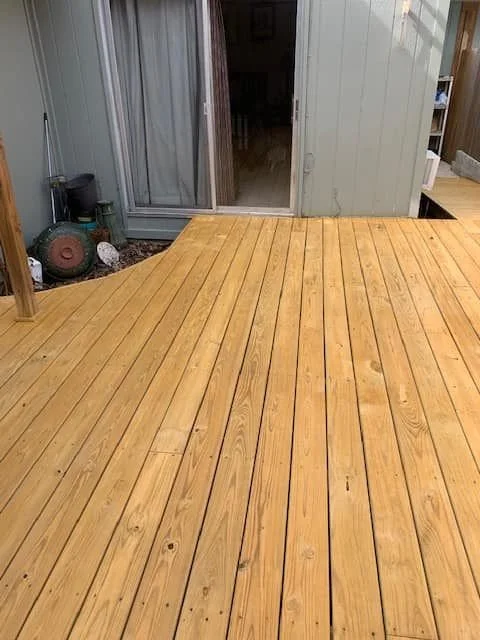
Why DRP Stripper Plus Is Built for Tough Deck Coatings
Some deck coatings come off easily. Others fight the entire job.
Contractors who restore decks, fences, siding, railings, and other exterior wood surfaces know the difference. A lightly weathered semi-transparent stain may clean up with standard prep. A failed solid stain, film-forming sealer, heavy buildup, or multiple layers of old coating usually requires a stronger approach.
That is where a serious deck stripper becomes part of the process.
DRP Stripper Plus is designed for tough exterior wood coating removal. It is made for projects where cleaning alone is not enough and the existing finish needs to be broken down before the wood can be properly refinished.
For contractors, the right stripper can help improve prep efficiency, reduce coating-related failures, and create a better surface for the next stain system.
Tough Coatings Create Tough Prep Problems
Old deck coatings are not all the same.
Some penetrating stains wear gradually and leave the wood relatively easy to clean and recoat. Other coatings form more of a film on the surface. When those coatings age, they may peel, flake, crack, or remain bonded in uneven sections.
This is especially common with solid stains, heavy sealers, acrylic coatings, and layered finishes that have been applied over several maintenance cycles.
The result is a difficult surface. Some boards may be bare and weathered. Other boards may still hold old coating. Shaded areas may have mildew or intact finish. High-traffic areas may be worn down. Railings may look different from the deck floor.
If that surface is not corrected before staining, the new finish can look uneven or fail early.
Cleaning Alone Does Not Remove Failed Coatings
Cleaning and stripping are not the same.
A cleaner is designed to remove dirt, mildew, algae, pollen, organic buildup, and general surface contamination. That matters, but it does not always remove old stain, sealer, or film-forming finish.
When old coating remains on the wood, it can block absorption, interfere with bonding, and create uneven color.
On tough restoration jobs, contractors need to determine whether they are dealing with contamination, coating failure, or both. If the existing finish is still present and causing problems, stripping is often necessary before sanding and staining.
DRP Stripper Plus is built for those situations where the old coating needs to be removed as part of the prep system.
Solid Stain Removal Requires a Stronger Process
Solid stains are one of the most common reasons contractors need a more aggressive stripping product.
A solid stain can create a uniform appearance when applied correctly, but when it fails, it can be difficult to remove. It may peel in certain areas while staying bonded in others. It may leave heavy pigment behind. It may build up over time if previous maintenance coats were applied without proper removal.
Restaining over failed solid stain is risky. The new coating is only as stable as the old coating underneath it.
Before refinishing, contractors often need to break down and remove as much of the failed material as possible. DRP Stripper Plus is designed to help remove tough stains and coatings so the wood can be prepared for the next finish.
Film-Forming Sealers Can Block New Stain
Some sealers and coatings create a surface film that prevents new stain from penetrating properly. A water test may show this clearly. If water beads in some sections and absorbs in others, the surface is not consistent.
The same issue can happen with stain.
A new stain may absorb into bare wood but sit on top of areas where old sealer remains. That can cause blotchy color, poor bonding, sticky spots, uneven sheen, or early failure.
Stripping helps remove the old barrier so the surface can be brought closer to a uniform condition.
For contractors, this step is important when the goal is predictable stain performance across the entire project.
Built-Up Coatings Can Hurt Job Quality
Many decks have been coated multiple times over the years. A homeowner may not know what was used before, when it was applied, or whether the surface was properly prepared.
That history matters.
Multiple coating layers can create a thick, uneven surface that is difficult to refinish. The deck may have shiny areas, dark patches, peeling spots, and uneven absorption. Simply adding another coat can make the problem worse.
DRP Stripper Plus is useful on projects where old coating buildup needs to be removed before a new stain system is applied.
It helps contractors move the project away from “covering the problem” and toward properly preparing the wood.
Stripping Helps Create a Better Starting Point
The purpose of stripping is not only to remove old finish. It is to create a better starting point for the rest of the restoration process.
After stripping, the contractor can better evaluate the actual condition of the wood. Damaged boards, deep stains, raised grain, remaining coating, and sanding needs are easier to identify.
This allows the next steps to be handled more intelligently.
A better starting point usually leads to a better final result. The stain can be selected based on the actual wood condition rather than being forced to work over an unknown or failing surface.
DRP Stripper Plus for Exterior Wood Surfaces
DRP Stripper Plus is designed for exterior wood restoration projects, including decks, fences, log homes, wood siding, railings, and other wood surfaces with tough coatings or failed finishes.
That makes it useful for contractors who handle more than standard deck staining. Exterior wood restoration often involves different surface types, different coating histories, and different levels of exposure.
A deck floor may need one level of prep. A vertical fence may need another. Log siding may have coating buildup in checks, corners, or textured areas. Railings and spindles may hold old finish longer than horizontal boards.
Having a stronger stripper available gives contractors more flexibility when the project calls for deeper coating removal.
Prep Still Requires Process Control
A strong stripper is a tool, not a shortcut.
Contractors still need to manage the process correctly. That means evaluating the coating, applying the product according to directions, allowing proper dwell time, keeping the surface controlled during the stripping process, rinsing thoroughly, and following with any needed sanding or additional prep.
Weather conditions, wood type, coating thickness, surface temperature, and number of old layers can all affect the process.
On difficult coatings, more than one application or additional mechanical removal may be needed. Contractors should set expectations accordingly, especially on older decks with heavy buildup or unknown coating history.
Sanding May Be Needed After Stripping
Even after a successful stripping process, sanding may still be part of the job.
Stripping can remove failed coating, but it may not leave every board perfectly smooth or uniform. Raised grain, stubborn residue, deep pigment, and rough fibers may still need attention.
Sanding is often especially important on deck floors, handrails, benches, and stairs where appearance and feel matter most.
For contractors, the best results often come from treating stripping and sanding as complementary steps rather than choosing one or the other.
Better Stripping Can Reduce Coating Failure Risk
Many stain failures begin before the stain is applied.
If the old finish is not removed, if residue remains, if the wood is not clean, or if the surface is inconsistent, the new finish may not perform properly.
Using the right stripper when needed can reduce the risk of staining over a weak or incompatible surface.
That matters for contractors because coating failures can lead to callbacks, warranty questions, unhappy customers, and lost profit. Proper prep protects the job.
Use Stripper Plus When the Job Requires More Than Cleaning
Not every deck needs a heavy-duty stripper. Some projects only need proper cleaning, light sanding, and a maintenance coat.
But when the old coating is peeling, built up, solid, film-forming, or blocking absorption, cleaning alone is not enough.
DRP Stripper Plus is built for those tougher prep situations. It gives contractors a way to remove problem coatings before moving into sanding, brightening if needed, and refinishing.
Build a Better Finish From the Prep Up
A professional staining job starts below the finish coat. It starts with the condition of the surface.
When tough coatings are left behind, they can compromise the entire project. When they are properly stripped and removed, the contractor has a cleaner, more predictable surface to work with.
DRP Stripper Plus helps contractors address failed stains, solid coatings, sealers, and exterior wood finishes that need to be removed before refinishing.
Deck and Wood Stain provides exterior wood care products, prep solutions, stains, strippers, and restoration guidance for contractors who need reliable results on demanding wood restoration projects.