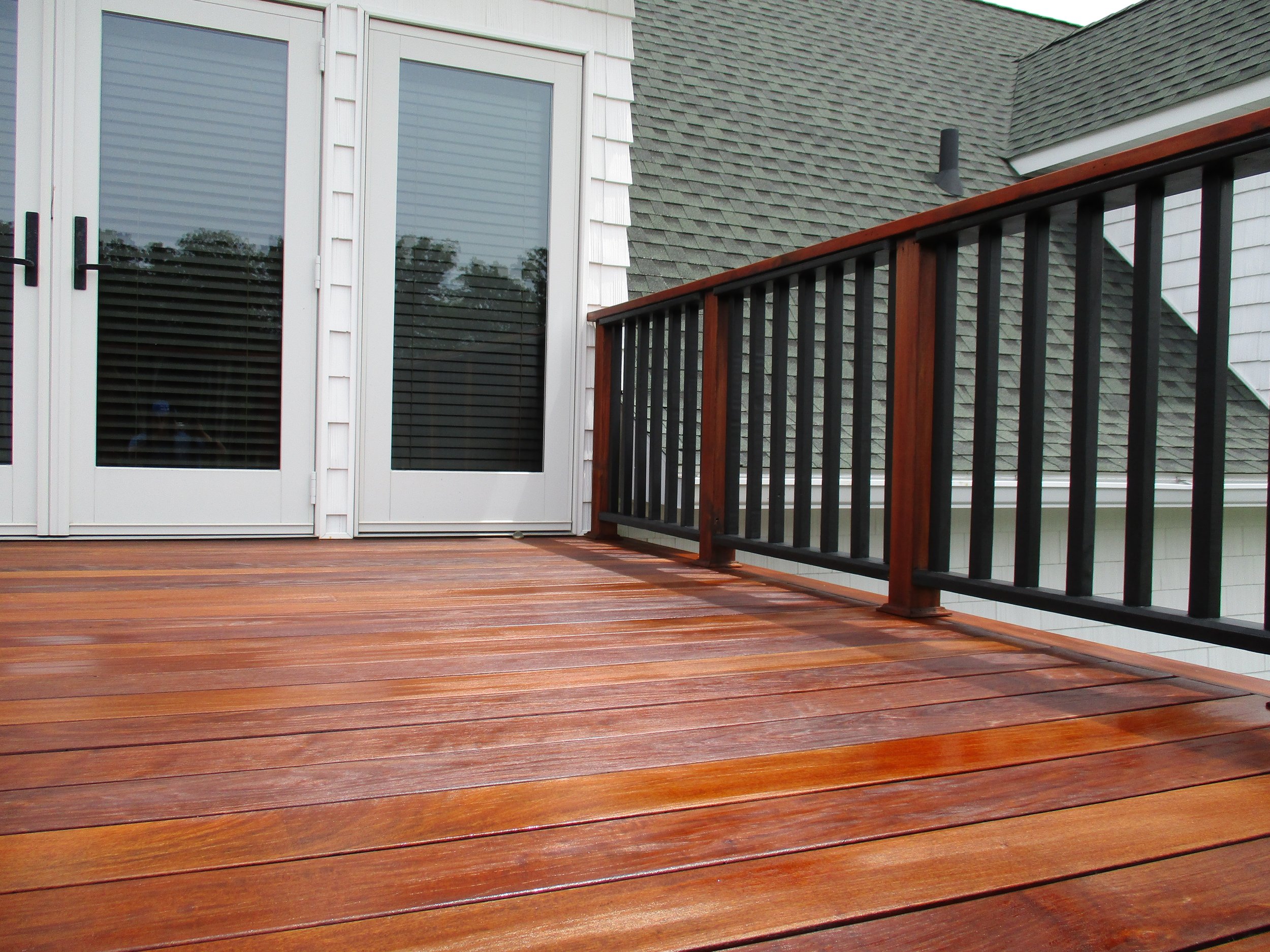
Contractor Guide to Restoring Gray, Weathered Wood Before Staining
Gray wood is one of the most common conditions contractors deal with on exterior staining projects. Decks, fences, wood siding, docks, railings, and other outdoor wood surfaces all weather over time. Sun, moisture, old coatings, mildew, foot traffic, and poor maintenance can leave the surface looking dry, dull, oxidized, and uneven.
For contractors, gray wood is not just a cosmetic issue. It is a prep issue.
The way the surface is handled before staining determines how the final job looks, how well the stain performs, and how likely the customer is to call back with complaints about blotching, peeling, premature fading, or uneven color.
A successful exterior wood staining job starts with understanding what is on the surface, what condition the wood is in, and what needs to be removed before stain is applied.
Gray Wood Usually Means the Surface Has Lost Protection
When exterior wood turns gray, the surface has usually been exposed to UV rays and moisture long enough for the top layer of wood fibers to break down. The stain or sealer that once protected the wood may be worn away, partially failed, or completely gone.
On deck floors and stairs, this weathering is usually more aggressive because horizontal surfaces take more direct sunlight, standing moisture, abrasion, and foot traffic. Railings, spindles, fences, and siding may weather differently because they are vertical and shed water more easily.
For contractors, this matters because the deck may not weather evenly. One section may be bare and gray, another may still have old stain, and another may have mildew, algae, or surface contamination. Treating the whole project as if it is in one uniform condition can lead to inconsistent results.
Do Not Assume Gray Wood Is Ready for Stain
Gray wood can look dry and absorbent, but that does not mean it is ready to accept stain.
The surface may still contain oxidized wood fibers, mildew, embedded dirt, tannin staining, old sealer, or remnants of a previous coating. If stain is applied directly over that surface, the finish may not penetrate evenly. The color can turn blotchy, the coating can fail early, and the job may not meet customer expectations.
Before staining gray wood, contractors should evaluate whether the surface needs cleaning, stripping, sanding, brightening, or a combination of prep steps.
The goal is not just to make the wood look cleaner. The goal is to create a sound, consistent surface that can accept the new stain properly.
Identify What Is Already on the Wood
One of the first questions on any restoration job is whether the wood is bare, previously stained, sealed, painted, or coated with a film-forming product.
This step is critical because gray wood may still have old finish present. A deck can look weathered while still holding stain in shaded areas, under railings, around furniture marks, or between boards. These remaining coatings can affect absorption and color.
Contractors should look for signs such as peeling, flaking, shiny areas, water beading, uneven dark spots, or color remaining in protected sections.
If old coating is still on the surface, cleaning alone may not be enough. The coating may need to be stripped before a new stain system is applied.
Cleaning Gray Wood
Cleaning is often the first step when dealing with gray or weathered wood. A proper cleaning process helps remove dirt, mildew, algae, pollen, organic buildup, and loose surface contaminants.
For contractors, the key is to clean aggressively enough to prepare the surface without damaging the wood fibers.
Excessive pressure can scar deck boards, raise the grain, leave wand marks, or create a fuzzy surface that requires additional sanding. On older or softer wood, this can create more work and reduce the quality of the finished appearance.
The cleaning process should match the condition of the wood. A lightly weathered fence may require a different approach than a heavily neglected deck floor with old stain, mildew, and UV damage.
When Stripping Is the Better Option
Stripping becomes necessary when old stain, sealer, or coating is still present and will interfere with the next finish.
This is especially common when dealing with solid stains, semi-solid stains, film-forming finishes, or multiple layers of previous product. If the existing coating is failing, applying new stain over it is risky. The new finish is only as stable as the material underneath.
For contractors, this is where proper product selection and process control matter.
A deck stripper can help remove failed or unwanted coatings so the wood can be properly prepared for refinishing. This is especially useful when the customer wants to change color, switch stain types, or correct a previous coating failure.
Stripping can also help prevent uneven absorption caused by leftover old finish.
Sanding May Still Be Needed
Even after cleaning or stripping, some projects require sanding.
Sanding can help remove raised grain, smooth rough boards, reduce splintering, and even out areas where old coating or weathering remains. It can also improve the final appearance when working with high-visibility surfaces such as deck floors, handrails, benches, and stairs.
Contractors should be especially careful around areas where pressure washing has raised fibers or where old coatings have left uneven patches.
Sanding is not always required on every job, but it is often the difference between a basic cleanup and a professional-grade finish.
Brightening and Neutralizing the Wood
After cleaning or stripping, the wood may appear dark, uneven, or chemically altered. A brightening step can help restore a more natural wood tone and balance the surface before staining.
Brightening can also help neutralize certain cleaners or strippers depending on the process used.
For contractors, this step can improve color consistency and help create a more predictable final result. It is especially useful when applying transparent or semi-transparent stains where the appearance of the wood itself will remain visible.
Match the Prep to the Stain System
The stain being applied should influence the prep process.
Transparent and semi-transparent stains require more attention to wood condition because the grain, color variation, and imperfections remain visible. If the surface is blotchy before staining, it may still look blotchy afterward.
Semi-solid and solid stains provide more coverage, but they do not eliminate the need for preparation. Old coatings, loose material, mildew, and moisture issues still need to be addressed.
Contractors should avoid treating stain as a cover-up for poor prep. The finish can only perform as well as the surface allows.
Managing Customer Expectations
Gray, weathered wood can often be restored, but contractors should set clear expectations before the job begins.
Older decks may not return to a brand-new appearance. Boards may absorb stain differently depending on age, exposure, species, previous coatings, repairs, and sanding. Replacement boards may not match older boards perfectly. Deep staining or long-term neglect may still affect the final color.
Explaining this upfront helps prevent misunderstandings.
Customers usually care about three things: how the deck will look, how long the finish will last, and whether restoration is a better value than replacement. Contractors who explain the prep process clearly can build trust and justify the value of doing the job correctly.
Why Proper Prep Reduces Callbacks
For contractors, callbacks are expensive. They cost time, labor, materials, and reputation.
Many staining issues trace back to prep problems: old coating left behind, mildew trapped under the finish, wood stained before it was dry, poor sanding, incompatible products, or stain applied over a weak surface.
Restoring gray wood properly reduces the risk of early failure. It also creates better color consistency, better stain absorption, and a more professional finished result.
The prep may take longer upfront, but it can protect the job margin and the contractor’s reputation.
Build Better Exterior Wood Staining Results
Gray wood is common, but it should not be treated casually. For contractors, it is a sign that the surface needs to be evaluated and prepared correctly before staining.
The right process may include cleaning, stripping, sanding, brightening, repairs, or a combination of steps. The condition of the wood and the previous coating should determine the approach.
Deck and Wood Stain provides exterior wood care products, stain solutions, strippers, and restoration guidance for contractors who need reliable results on decks, fences, siding, railings, and other outdoor wood projects.
Before staining gray or weathered wood, make sure the surface is clean, sound, and ready for the finish system being applied.