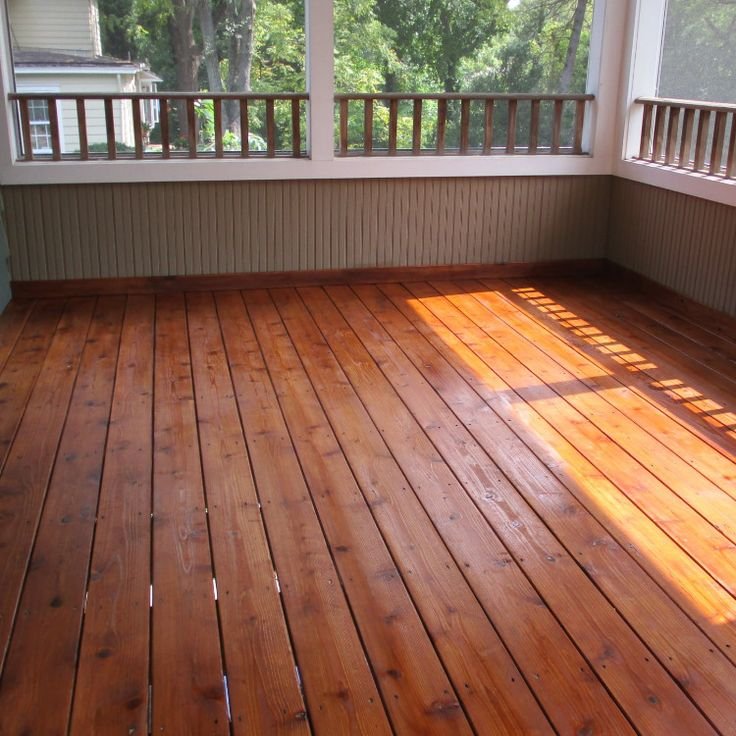
How to Choose the Right Deck Stain for Your Wood
Choosing the right deck stain is one of the most important decisions you can make for an outdoor wood surface. The right stain can improve the appearance of your deck, protect the wood from moisture and sun exposure, and make maintenance easier over time. The wrong stain can lead to uneven color, early fading, peeling, poor absorption, or a finish that does not match the look you wanted.
Many homeowners start by choosing a stain color. Color matters, but it should not be the only factor. The best deck stain depends on the type of wood, the age of the deck, the condition of the surface, the previous coating, the amount of sun and shade, and how much maintenance you are willing to keep up with.
Before you stain a deck, fence, wood siding, or other exterior wood surface, it helps to understand what your wood actually needs.
Start With the Condition of the Wood
The first thing to consider is the current condition of the wood. A newer deck will usually accept stain differently than an older, weathered deck. Wood that has been exposed to years of sun, rain, mildew, and foot traffic may need more preparation before it can be stained properly.
If the wood is clean, bare, and in good condition, you may have more stain options. If the wood is gray, rough, blotchy, previously stained, or peeling, the surface may need cleaning, stripping, sanding, or restoration before a new stain is applied.
Applying stain over dirt, mildew, failed coating, or damp wood can cause problems later. Even a high-quality stain will not perform well if the surface is not prepared correctly.
Know Whether the Wood Is Bare or Previously Coated
Bare wood and previously coated wood require different approaches.
Bare wood can often absorb stain more evenly when it has been properly cleaned and prepared. Previously stained wood may need additional prep, especially if the old coating is still present or starting to fail.
If the previous stain is peeling, flaking, shiny, sticky, or sitting on top of the surface, it may need to be removed before applying a new finish. Staining over a failing coating usually leads to poor results because the new stain is only as strong as the surface underneath it.
This is especially important when switching stain types or changing from a solid stain to a more transparent finish. The existing coating can affect how the new stain looks and performs.
Understand the Main Types of Deck Stain
Deck stains generally fall into a few common categories: transparent, semi-transparent, semi-solid, and solid.
Transparent stains allow the most natural wood grain to show through. They are often used when the homeowner wants a natural look and the wood is in good condition.
Semi-transparent stains add color while still showing much of the wood grain. This is a popular option for decks, fences, and exterior wood that still has attractive grain and relatively even color.
Semi-solid stains provide more coverage while allowing some wood texture to remain visible. They can be useful for older wood that needs a more consistent appearance.
Solid stains provide the most coverage and create a more uniform color. They can help hide discoloration, uneven aging, or previous staining, but they also cover more of the natural wood grain.
Each option has tradeoffs. More transparency usually means more visible grain. More opacity usually means more coverage and a more uniform look.
Think About the Look You Want
The appearance of the final project matters. Some homeowners want the deck to look natural and rustic. Others want a clean, even color that coordinates with the house, patio, railing, or landscaping.
If you like the natural grain of the wood, a transparent or semi-transparent stain may be a better fit. If your deck has uneven color, older boards, or a mix of new and old wood, a semi-solid or solid stain may create a more consistent finish.
It is also important to remember that stain color can look different depending on the wood species, age, and surface condition. The same stain may appear lighter on one deck and darker on another.
Testing a small area before committing to a full project is always a smart step.
Consider Sun, Shade, and Moisture Exposure
Where the wood is located can affect how well a stain performs.
A deck in full sun may fade faster and need more frequent maintenance. A shaded deck may be more prone to mildew, algae, and moisture retention. A deck surrounded by trees may collect leaves, pollen, and organic debris that hold moisture against the surface.
Horizontal surfaces, such as deck floors and stair treads, usually wear faster than vertical surfaces like railings, fences, or siding. That is because horizontal wood receives more direct sunlight, standing moisture, foot traffic, and abrasion.
When choosing a stain, consider how much exposure the wood receives throughout the year. A finish that works well on a shaded fence may not perform the same way on a heavily used deck floor.
Match the Stain to Your Maintenance Goals
Every exterior wood finish requires maintenance. The question is how often you want to maintain it and what type of maintenance you are willing to do.
More natural-looking stains may need more frequent attention, especially on high-exposure surfaces. More opaque stains can provide a different kind of coverage, but they may also require more prep when it is time to recoat, particularly if the coating begins to peel or build up.
There is no single perfect stain for every homeowner. The best choice is the one that fits your wood condition, desired appearance, and long-term maintenance expectations.
A deck stain should not only look good on the day it is applied. It should also make sense for how the surface will be used and maintained in the future.
Do Not Skip Surface Preparation
Surface preparation is one of the biggest factors in whether a stain project succeeds or fails.
Before staining, the wood should be clean, dry, and able to accept the finish. Dirt, mildew, pollen, old coatings, mill glaze, and weathered fibers can all interfere with stain performance.
Depending on the condition of the wood, preparation may include cleaning, brightening, stripping, sanding, or removing failed coatings. If the deck has an old solid stain or film-forming coating, stripping may be necessary before refinishing.
Skipping prep work may save time upfront, but it can lead to early failure, uneven color, peeling, or a finish that does not last.
Choose Products Based on the Project, Not Just the Label
It can be tempting to choose a stain because the label promises long-lasting protection or because the color looks good on a sample card. But the best results come from matching the product to the actual project.
Before choosing a stain, ask these questions:
Is the wood new, older, or heavily weathered?
Is the surface bare or previously stained?
Is the old coating still intact, or is it peeling?
Do you want to see the wood grain?
Do you need to hide uneven color?
Is the deck in full sun, shade, or a mix of both?
How much maintenance are you willing to do?
The answers will help narrow the options and prevent costly mistakes.
The Right Deck Stain Starts With the Right Plan
Choosing the right deck stain is not just about picking a color. It is about understanding the wood, preparing the surface, and selecting a finish that fits the condition of the project.
Whether you are staining a deck, fence, pergola, wood siding, or another exterior wood surface, the process should start with a clear plan. The better the preparation and product selection, the better the final result is likely to be.
Deck and Wood Stain provides wood stain products, restoration solutions, and exterior wood care guidance for homeowners and professionals who want better results from their staining projects.
Before starting your next wood staining project, make sure you choose the right stain for the wood, the condition, and the finish you want.